
برگزارى برنامه به مناسبت روز جهانى زنان International Women’s day event
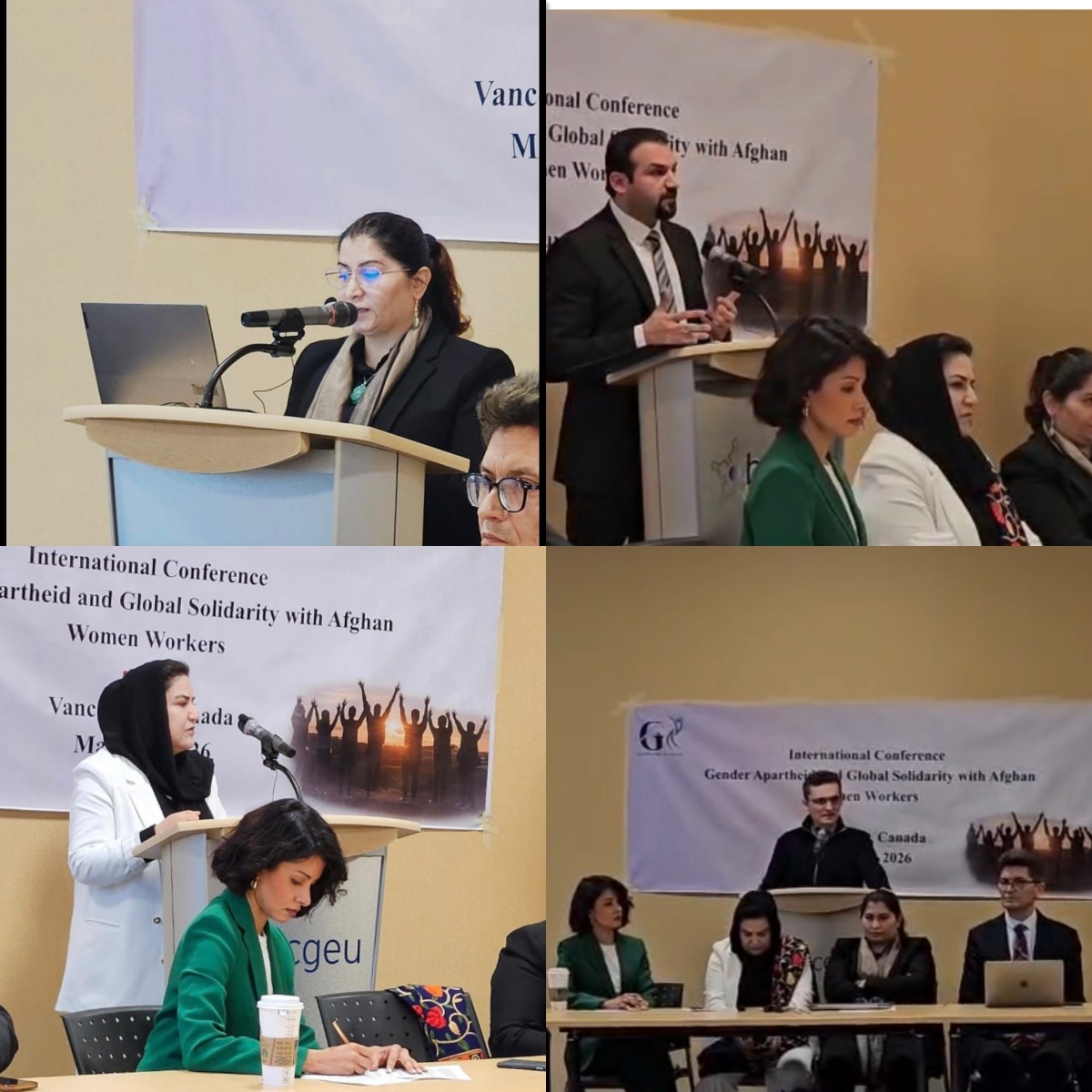
آقاى رامين معنوى جنرال قونسل افغانستان، در کنفرانس «همبستگی جهانی با زنان کارگر افغانستان» که از سوی «انجمن نسل صلح» هم زمان با روز جهانی زنان برگزار شد، شركت و سخنرانی كرد. در اين برنامه، معاون رئيس پارلمان كانادا، اعضاى پارلمان و آقاى ريچارد بنت گزارشگر ويژه ملل متحد، در كنار ساير مهمانان شركت داشتند.
در نخست خانم حمیرا ثاقب، رئیس اجرایی انجمن ياد شده، با خوش آمد گویی به شرکت کنندگان، اهداف کنفرانس را توضیح داد: برجسته ساختن بحران كنونى زنان افغانستان، لزوم مستند سازی آسیب ها، و فراخوان برای همبستگی و اقدام جهانی. او بر ممنوعیت های وضع شده بر آموزش و کار زنان، از میان رفتن ساز و کارهای حمایتی، و نیاز فوری به حمایت جامعه بینالمللی تأکید کرد.
جنرال قونسل در بيانيه خويش بر محدودیت های شدید بر زنان در افغانستان اشاره كرد. وى افزود كه زنان افغانستان همواره نقش های مهمی در زمينه های آموزش، بهداشت، اقتصاد و جامعه مدنی داشته اند. حذف آنان از آموزش، کار و زندگی عمومی، یک بحران جدی حقوق بشری و ضربه ای بزرگ به ثبات و توسعه افغانستان است؛ وضعیتی که کارشناسان آن را «آپارتاید جنسیتی» تلقى کرده اند. همچنان بر ضرورت ادامه حمایت از آموزش و معیشت زنان و نیز تضمین حضور و مشارکت آنان در گفتگو ها و تصمیم گیری ها در باره آینده افغانستان تأکید شد.
ریچارد بنت، گزارشگر ویژه سازمان ملل متحد در امور حقوق بشر افغانستان، نیز ضمن مرور جامع بر وضعیت حقوق بشر در کشور، از فرسایش شدید حقوق زنان در حاکمیت كنونى سخن گفت و بر نياز پاسخ گویی جهانى تأکید كرد. او یاد آور شد که مفهوم «آپارتاید جنسیتی» به گونه فزاینده در مجامع جهانى مورد توجه قرار گرفته است.
شماری از رهبران و نمایندگان پارلمان از جمله تام کمیِک، معاون رئیس مجلس عوام کانادا، طلیب نورمحمد، وكيل پارلمان کانادا، و گلالى اکبری، سناتور پیشین افغانستان با ابراز همبستگی با زنان، هر یک دیدگاه های ارزشمندی ارائه کردند و بر ادامه حمایت از کرامت و حقوق زنان افغانستان تأکید نمودند.
پنل كارشناسان با اشتراك خانم درانى، داكتر نسرین اوریاخیل، آقاى هادی احمدی،آقاى عبدالله احمدی و شهناز قیومی برگزار شد و تحلیل های جامع و روشنی پيرامون پیامد های اقتصادی و اجتماعی محدودیت ها بر کار و زندگی زنان و نیز ضرورت تقویت حمایت از جامعه مدنی ارائه کردند.
همچنان نشست های گروه هاى كارى با اشتراك خانم زهرا هاشمی، خانم حسنا هادف، خانم سحر و آقاى محمود برگزار گردید. این نشست ها بر راه های عملی برای حمایت جامعه بینالمللی از زنان کارگر افغانستان و نیز تقویت پاسخ های حقوقی و دیپلوماتیک تمرکز داشت.
بخش فرهنگی برنامه نیز در بر گيرنده شعرخوانی از جانب خانم زحل و ترنم سعیدی، سخنان كوتاه از جانب خانم پروین فاطمی و خانم روشن، نمایشگاه دیجیتال عکس توسط خانم جاهده سادات، و اجرای موسیقی توسط خانم فرزانه نوابی (با نشر آهنگ تازه ای در مورد زنان) بود. این بخش بيانگر آن بود كه هنر همچنان صدای مقاومت، کرامت و امید است.
در پایان، قطعنامه ای به تصویب رسید که در آن بر تقویت داد خواهی و حمایت بینالمللی، بررسی شناسایی «آپارتاید جنسیتی» به عنوان جرم در حقوق بینالملل، حمایت از آموزش از راه دور، فرصت های کاری برای زنان افغانستان و اتخاذ رویکرد اصولی جامعه جهانی در قبال افغانستان بر پایه حقوق بشر و آزادی های اساسی تأکید شده است.
Mr. Ramin Manawi, Consul General of Afghanistan, participated and delivered remarks at the conference “Global Solidarity with Afghan Women Workers,” organized by the Generation of Peace Society in Vancouver to mark International Women’s Day.
The event was attended by the Deputy Speaker of the House of Commons of Canada, Members of Parliament, the United Nations Special Rapporteur on the situation of human rights in Afghanistan, and other distinguished guests.
Humaira S. Saqib CEO of the Generation of Peace Society, welcomed participants and outlined the conference’s goals: to highlight the crisis for women, document harms, and call for global solidarity and action. She stressed the bans on education and employment, dismantling of protections, and the urgent need for int support.
In his remarks, the Consul General highlighted the severe restrictions on women in Afghanistan. Women have long played vital roles in education, healthcare, the economy, and civil society. Their systematic exclusion from education, employment, and public life is a profound human rights crisis and a serious setback for Afghanistan’s stability and development, described by experts as gender apartheid. He also stressed the need for continued support for women’s education and livelihoods, and ensuring women remain included in discussions about the country’s future.
UN Special Rapporteur Richard Bennett, provided a detailed overview of the situation on human rights in Afghanistan, stressed the urgent erosion of women’s rights under the Tlbn and called for international accountability. He noted that gender apartheid is increasingly recognized in international forums.
A number of leaders and parliamentarians expressed their solidarity with Afghan women, including Tom Kmiec, Deputy Speaker of the House of Commons of Canada, Talib Noor Mohammad, Member of Parliament of Canada, and Gulalai Akbari, former Senator of Afghanistan. Each shared valuable perspectives and emphasized the importance of continued support for the dignity and rights of women in Afghanistan.
The expert panel, moderated by Ms. Zara Durrani and featuring Abdullah AHMADI , nasrin oryakhil , Hadi Ahmadi , and Shahnaz Qayumi, made a valuable contribution, providing insightful analysis of the econ and social impacts of restrictions on women’s employment and the need to strengthen support for civil society.
Participants also engaged in working group discussions introduced by Zahra Hashemi, with support from Husna hadef, Sahar, and Mahmood, focusing on practical ways the int community can support women workers and enhance legal and diplomatic responses.
The cultural part, poetry by Zuhal and Taranum saedi, reflections from Parwin Fatemi and Mrs. Roshan, a digital photo exhibition by Jaheda Sadaat, and a musical performance by Farzana Nawabi (releasing a new song about women) reminded us that art continues to give voice to resilience, dignity, and hope.
The adopted resolution called for stronger intl advocacy, exploring recognition of gender apartheid as a crime under intl law, support for remote education and employment opportunities for Afghan women, and a principled international approach toward Afghanistan grounded in human rights and fundamental freedoms.
